100 stories from the hiking route
1957 – first attempt to reintroduce the beaver in Estonia
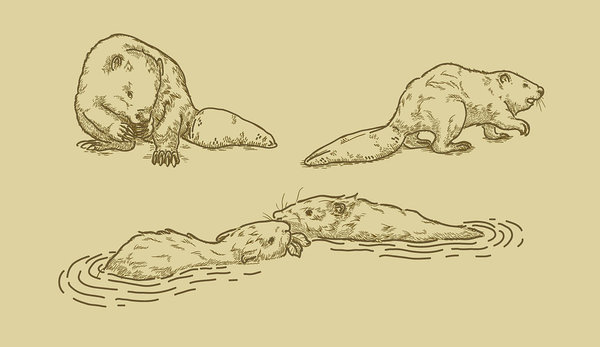
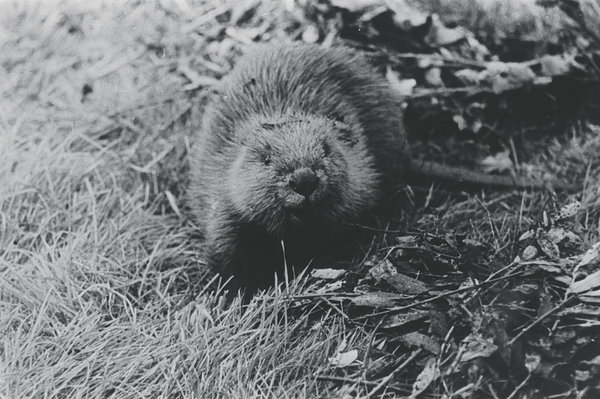
The beaver is a native of Estonia that was hunted to extinction by the middle of the 19th century.The first attempt to reintroduce the beaver in Estonia was made in 1957. Ten animals originating from Belarus were released in the Jädala river basin in autumn but the population perished. It is likely that at the same time, beavers appeared in bodies of water in Eastern Estonia. Beavers were under strict protection for about 30 years. The beaver population started to thrive in Southeastern Estonia in the 1970s and to broaden the habitat of the species, some of them were caught to be released in the rivers in Middle and Western Estonia. It did not take too long until beavers became active again and were removed from the list of protected species. As a result, they were once again hunted. If the first five beavers were hunted with a special permit in 1980, then according to official statistics, 6,678 beavers were hunted in Estonia in 2015–2016. There were about 17,000–18,000 beavers in Estonia in 2012.
No other species besides humans is capable of changing their habitat in an extent as great as beavers do. Artificial lakes and new habitats are created; bodies of water and the flora of its coastline change as a result of beavers’ living and building activities.
The interests of people and beavers often overlap: humans dig ditches to drain excess water while beavers create dams to contain water and better arrange their lives.
×
![1957 – first attempt to reintroduce the beaver in Estonia]()
Topic
Coordinates
Long-Lat WGS 84
Latitude: 59.2683138888889
Longitude: 25.4849277777778L-EST 97
x: 6570941.4
y: 584673.8
Location
Ähijärve-Aegviidu matkatee