100 stories from the hiking route
1930 – Joaveski Cardboard Factory stops working due to a global economic crisis
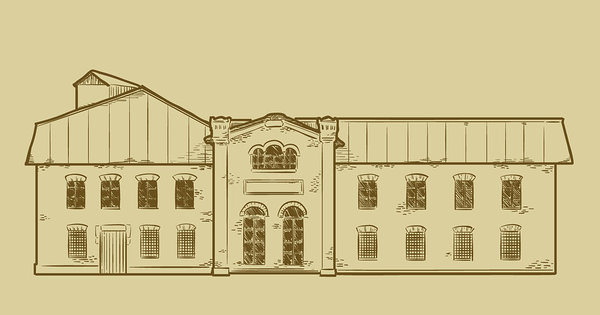
The first written records about Joaveski Village on the bank of the Loobu River originate from 1510 and have to do with the watermill located there that belonged to Palmse Manor. Small watermills continuously operated in the area until 1899 when the head of Loobu Manor, Nikolai Dellingshausen, bought the Joaveski lot from Palmse Manor. The project for the cardboard factory was finished and construction works began in the same year. An artificial lake along with canals was established – the factory was powered by a hydroelectric power plant. Several buildings and outbuildings were built for the workers both east and west of the factory across the river in the following years.Nikolai Dellingshausen sold the Joaveski factory along with its lands to the Danish Consul General J.Ch. Johansen and Estonian citizen R. Rank in 1920. The factory stopped operating on 1 December 1930 as a result of the repercussions of the global economic crisis.
Starting from 1941, the Joaveski factory operated as a national consumer goods plant for the Tallinn Cellulose and Paper Factory. In 1991–1994, it operated under the state-owned enterprise Tallinn Paper. The factory became bankrupt and stopped operating in 1994. In 2001, a hydroelectric power station was built into the central part of the cardboard factory that had stood unused for about 10 years (where it still operates today); however, most of the rooms of the factory are not in use and have been ransacked.
Sources:
Eensalu, M., Pihel, L. 2011. Joaveski puupapivabriku dokumenteerimine.
Elango, Õ., Ruusmann, A., Siilivask, K. 1998. Eesti maast ja rahvast: Maailmasõjast maailmasõjani.
Pajur, A., Tannberg, T., jt. 2005. Eesti ajalugu. VI, Vabadussõjast taasiseseisvumiseni.
×
![1930 – Joaveski Cardboard Factory stops working due to a global economic crisis]()
Topic
Village life and society work
Coordinates
Long-Lat WGS 84
Latitude: 59.513225
Longitude: 25.8180583L-EST 97
x: 6598683
y: 602926
Location
Oandu-Aegviidu matkatee